

The Chicken Road Demo gives readers a quick way to understand the game before they decide whether to keep playing. It is useful because the demo shows the rhythm, timing, and risk pattern without demanding a real-money commitment. For many newcomers, that first look is the easiest way to judge whether the action feels fun or too fast. This page breaks down the Chicken Road Game Demo in plain English so you know what to expect.
If you have seen searches for Chicken Road Demo Play or even the shorthand Chickenroad Demo, you are probably looking for the same simple thing: a safe way to try the game. The guide below explains how the demo works, what the gameplay feels like, and why some claims about tools or hacks should be treated carefully. It also covers mobile and desktop access, so you can test the Chicken Road Demo Game on the device you already use. By the end, you will have a clear picture of what a demo can and cannot tell you. Learn more about Chicken Road Casino.

Chicken Road Demo Play: How the Demo Version Works
The first thing most people notice about Chicken Road Demo Play is that it removes the pressure of a live balance. You can open the game, start a round, and watch how the pacing builds without worrying about losing money. That makes the Chicken Road Demo especially useful for people who are still learning the timing. It is a practice space first, not a shortcut to guaranteed results.
A good Chicken Road Demo Game usually behaves like the live version in terms of flow, but the stakes are different. You still make timing decisions and react to the same style of risk, yet the session is meant for learning rather than earning. If you have seen the term Chickenroad Game Demo, think of it as a test drive with no financial pressure. The important thing is to notice the pace, the decision points, and how quickly a round can change.
What happens when you start a demo round?
When you launch Chicken Road Demo Play, the game typically loads with a practice balance or free session credit already in place. That means you can begin immediately and see the core loop without setting up a real wager. In a good Chicken Road Demo Game, the interface should make the starting point easy to understand, even if you are brand new. The goal is to get you into the action quickly so you can learn by watching and reacting.
The opening moments matter because they show how fast the game asks for decisions. In Chicken Road Demo, the early rounds often feel forgiving, which helps you settle into the timing. You can treat those first tries as a warm-up and observe how the difficulty rises. That is why the demo is better for learning patterns than for chasing a perfect result.
Does the demo keep your progress?
Most Chickenroad Demo sessions are temporary, so you should not expect long-term progress to behave like a saved career mode. Some sites may remember your preferences or device settings, but the practice balance is usually reset when the session ends. That is normal for a Chicken Road Game Demo and not a sign that anything is wrong. The key idea is that the demo is designed for repeat practice, not persistent advancement.
Because the session is temporary, it is smart to focus on what you learned instead of what you won. A strong round in Chicken Road Demo Play can still teach you about timing, pace, and decision pressure. If a game behaves differently after refresh or on another device, that is also useful information. You are learning how the experience feels, not building a record that carries over everywhere.
Chicken Road Game Demo Features and Gameplay Basics
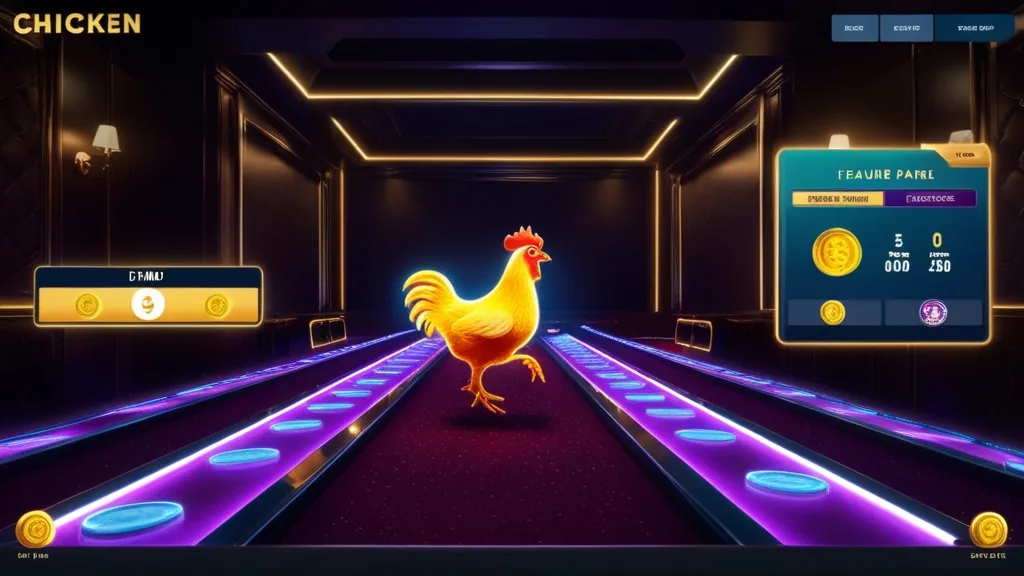
The main appeal of the Chicken Road Demo Game is that it lets you study the pace before you spend anything. You can see how the round builds, how quickly a decision window appears, and how the game pushes you to stay alert. That makes Chicken Road Demo Play more than a casual preview, because it gives you a real sense of timing pressure. For many players, that is the most useful part of the whole experience.
The best way to think about Chicken Road Demo features is as a learning toolkit, not a prize machine. You are there to test controls, understand risk steps, and get familiar with the visual rhythm of each round. If you search for Chickenroad Game Demo, you are usually looking for the same type of practice session. Once you understand the basics, the live version feels less mysterious because the demo has already shown you the structure.
Which demo features matter most in practice?
The most useful Chicken Road Demo features are the ones that help you learn without distractions. Free practice credit, clear buttons, and a fast restart flow all matter because they keep the focus on the timing. When the Chicken Road Demo Game is easy to read, you can concentrate on the decisions instead of the interface. That is what makes a demo valuable in the first place.
Other features matter too, especially if you are testing on different devices or different browsers. Smooth loading, readable visuals, and responsive controls can change how confident you feel during Chicken Road Demo Play. If a session feels laggy, that is important feedback before you move to any real-money version. The demo should help you judge both the game and your comfort with it.
What gameplay basics should you notice first?
Start by watching how quickly the game expects a decision and how much visual information it gives you before the next move. In Chickenroad Demo, those small details tell you whether the pace suits your style. You should also notice whether the game feels steady or highly reactive, because that changes how you manage risk. These basics matter more than any single winning round.
A helpful habit is to treat each short session as a lesson in spacing and rhythm. With Chicken Road 2 Demo Play, the same idea applies even if the version name looks slightly different in search results. The more you observe the timing, the easier it becomes to separate luck from your own reactions. That kind of awareness is what turns a demo into real practice.
The Chicken Road Demo is most useful when you use it to check a few practical things before you decide anything about the game.
- Use the free session to learn how fast each round changes so you are not surprised by the pace.
- Test the controls on your phone or computer and make sure the buttons feel responsive.
- Watch how the game presents risk and timing so you can understand the decision points more clearly.
- Notice whether the visuals stay smooth, because lag can affect how comfortable Chicken Road Demo Play feels.
- Keep the focus on learning, not on chasing a lucky result, since the demo is built for practice.
Once you have checked those points, the Chickenroad Game Demo becomes a much better reference for whether the full game style suits you.
- Money at risk
- No real-money stake is required
- Round feel
- The game follows the same basic rhythm
- Controls
- Tap or click controls are usually active right away
- Progress
- Session progress is often temporary
- Learning value
- High for timing and risk awareness
Chicken Road Signal Bot, Predictor, and Prediction Hack Claims

Searches for Chicken Road Signal Bot often come from players who want a shortcut to better outcomes. The problem is that most of these claims sound stronger than the evidence behind them. A demo can help you learn the game, but it cannot prove that a bot knows the future. That is why Chicken Road Predictor promises should always be treated as marketing claims until they are verified.
The same caution applies to any Chicken Road Prediction Hack or Chicken Road Predictor App that says it can read outcomes with certainty. Games built around timing and randomised results are not something you can reliably solve with a simple external tool. If a claim sounds like it removes risk completely, that is a red flag. The safer approach is to understand the game itself instead of trusting a magical fix.
Why do prediction tools sound so convincing?
A big reason Chicken Road Signal Bot claims sound appealing is that people naturally look for patterns in uncertain games. When someone has a few lucky rounds, it can feel as if a system has been cracked. That feeling is powerful, and it is exactly why Chicken Road Predictor App headlines spread so quickly. The challenge is that pattern-seeking is not the same thing as real prediction.
Another reason is that some marketing language uses vague terms that are hard to test. A site may talk about signals, timing edges, or hidden logic without showing how the tool actually works. With Chicken Road Predictor, the burden of proof should be on the person making the claim. If the explanation never gets specific, the tool is probably selling hope rather than knowledge.
How should you judge hack and bot claims safely?
Start by asking whether the claim explains the mechanism in a clear, repeatable way. A real Chicken Road Prediction Hack would need to show measurable results that hold up across many sessions, not just one lucky clip. You should also be cautious if the sales pitch avoids details about limits, errors, or risk. Those omissions usually matter more than the flashy promise.
It also helps to compare the claim with what the game actually does in practice. If the results are driven by timing, randomness, or rapid changes, a Chicken Road Signal Bot may have little or no real edge. The demo is a better teacher because it shows you the pace directly. That makes it easier to spot when a tool is exaggerating what it can do.
Chickenroad Game Demo Access on Mobile and Desktop

Most players reach the Chickenroad Demo through a browser, which is why device access matters so much. If the game loads cleanly on your phone and desktop, you can practice anywhere without changing your routine. That flexibility is one of the strongest reasons people search for Chicken Road Game Demo access in the first place. The experience should feel simple whether you are sitting at a desk or using a handheld screen.
A good Chickenroad Game Demo should adjust to the screen size without hiding key controls or making the action hard to read. On a phone, the touch layout needs to feel comfortable and responsive. On desktop, the mouse or trackpad should make the timing easy to manage. If the demo behaves differently across devices, that difference is worth noticing before you commit to anything else.
How does the demo behave on a phone?
On mobile, Chicken Road Demo Play should load quickly and keep the layout readable without constant zooming. The best mobile sessions make the buttons large enough to tap and the lane or path visuals easy to follow. If the screen feels crowded, the game is not really helping you practice. A clean mobile version is one of the most useful signs that the demo was built with real users in mind.
You should also pay attention to whether sound, vibration, or animations distract from the timing. In Chicken Road Demo, a phone session can feel more intense because the screen is smaller and the pace can seem faster. That is not always bad, but it does mean you should take your first few rounds slowly. Once you are comfortable, mobile play can be a very practical way to test the game.
What should you expect on a desktop browser?
Desktop play usually gives you a wider view of the interface, which can make Chickenroad Game Demo rounds easier to follow. The larger screen helps when you want to notice visual cues, timing windows, or any on-screen changes that happen quickly. It can also feel calmer because your hands are not covering the screen. For some players, that alone makes desktop the better practice environment.
The other advantage is that desktop browsing often makes it easier to compare sessions and observe details. If the Chicken Road Demo Game has subtle animation or a fast restart, a larger display can make those features clearer. That can be helpful when you want to study the flow instead of just reacting blindly. In that sense, desktop access is less about power and more about clarity.
Chickenroad 2 Demo Play Tips for New Players

New players often rush through Chickenroad 2 Demo Play because the session feels free and low-pressure. That is understandable, but the demo becomes more useful when you slow down and watch the rhythm carefully. The most valuable lesson usually comes from noticing where the tension rises, not from chasing a lucky round. If you treat Chicken Road 2 Demo Play like a practice room, you will learn much more from it.
Another thing to remember is that a demo can hide the emotional pressure that appears in a real session. That is why Chicken Road Demo Play should be used to build habits, not just to collect random wins. You want to learn how the game feels when you are calm, focused, and consistent. That mindset makes the transition from practice to live play much easier to understand.
What should you practice first as a beginner?
Start with timing and observation before you think about anything else. In Chicken Road Demo, it helps to watch a few rounds without trying to force a result, because the game will show you its pacing very quickly. Learn how long you are comfortable waiting and when the action starts to feel urgent. That simple awareness is more useful than trying to win every round.
You should also test how you react when the pace speeds up. In Chicken Road Game Demo, some players discover that they become too impatient or too cautious once the tension rises. The demo is the right place to notice that pattern because nothing is at stake. Once you see your own habits clearly, you can make better choices later.
How do you avoid carrying bad habits into real play?
One good habit is to set a purpose for each session before you start. If you are using Chickenroad 2 Demo Play to study timing, then stick to timing and do not let a random lucky round change your plan. This keeps the practice focused and makes your notes more useful. It also prevents the demo from tricking you into thinking luck is a repeatable skill.
A second habit is to review what felt difficult after each short session. With Chicken Road Demo Play, the best feedback often comes from moments when the pace felt confusing or when you reacted too late. Write down those moments mentally, then try again with one adjustment at a time. That approach turns the demo into a learning loop instead of a noisy distraction.
Use this simple routine to make Chicken Road Demo Play more useful for learning rather than just passing time.
- Open the game and spend the first few rounds watching the pace instead of trying to push for a result.
- Notice how quickly the timing changes and whether you feel rushed or comfortable at that speed.
- Test the controls on your chosen device and make sure the layout feels natural to you.
- Keep your sessions short so you can stay focused on what you learned from Chickenroad Demo.
- After each run, think about one habit you want to improve before the next session.
If you repeat that routine a few times, the Chickenroad Demo becomes a much clearer training tool for understanding the game.